Heavy Peak Energy Surcharges
Commercial chillers and machinery ran during peak tariff hours without automated regulation.
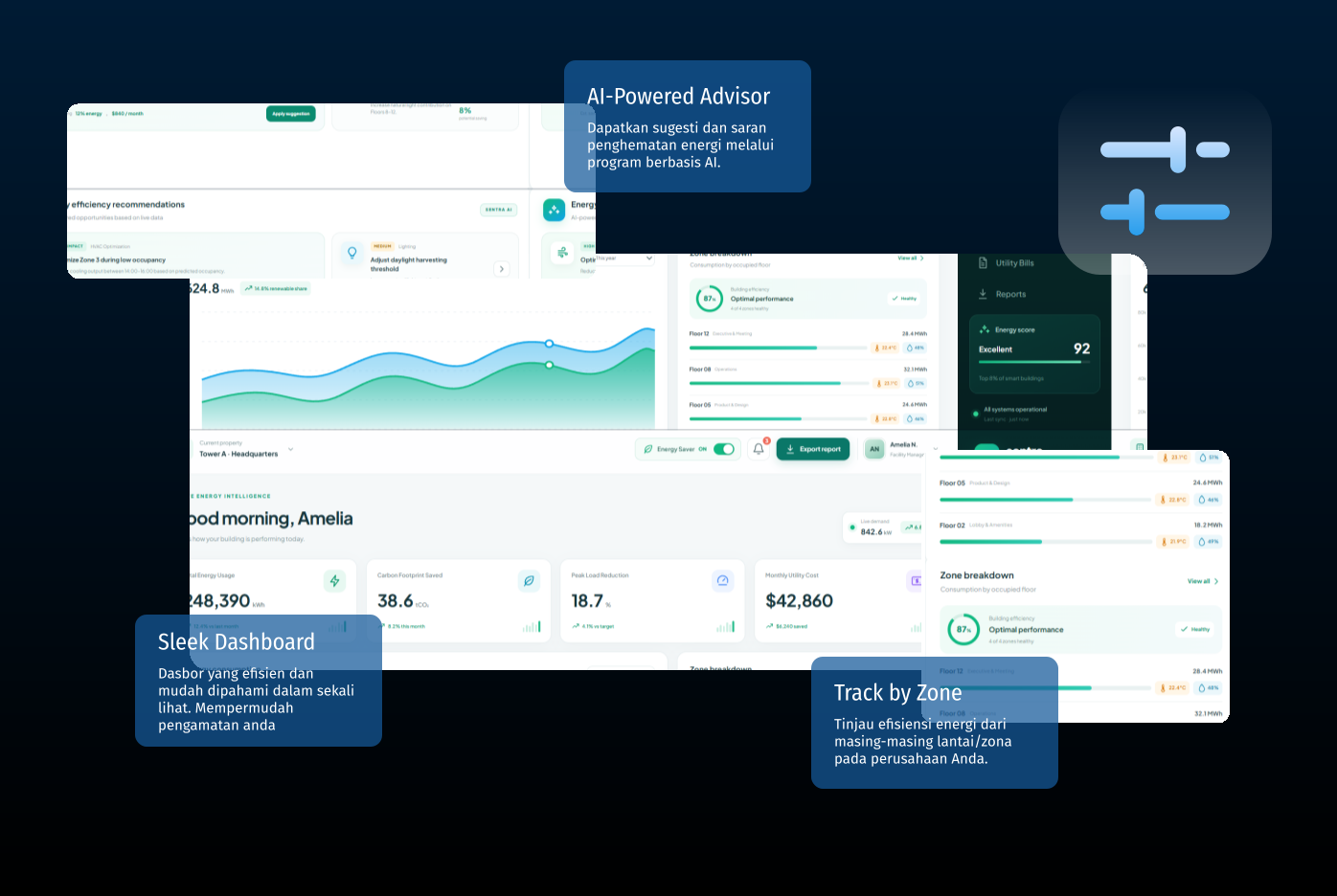
Large commercial complexes and industrial campuses consume massive electrical power while relying on manual meter reads that overlook energy spikes and safety hazards. Kaluna deployed a distributed multi-sensor IoT network measuring power draw, ambient humidity, temperature, and air quality across commercial facilities, connected to an automated cloud analytics engine.
Commercial chillers and machinery ran during peak tariff hours without automated regulation.
Electrical panel overheating and water leaks remained undetected until equipment damage occurred.
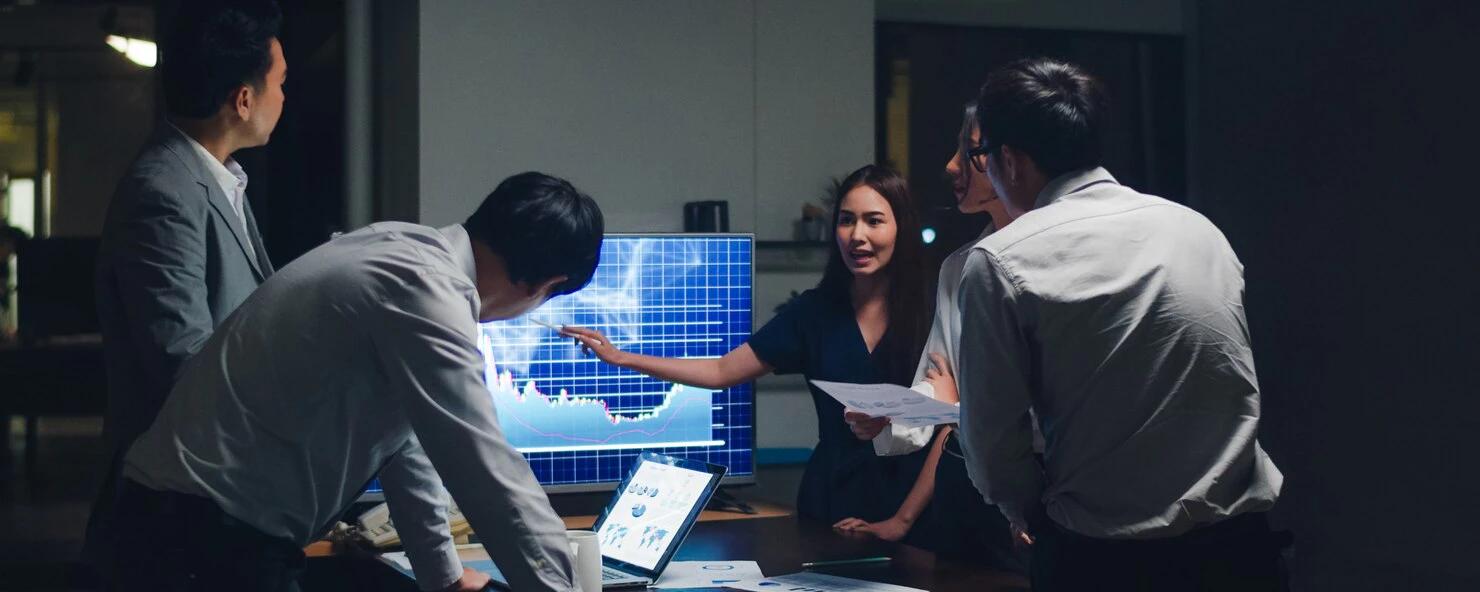
Facility engineering staff spent dozens of hours weekly collecting manual gauge readings.
Corporate stakeholders had no verifiable data on greenhouse emissions and energy efficiency.
Non-invasive CT sensors streaming phase voltage, power factor, and kilowatt consumption live.
Wireless sensor nodes monitoring temperature, humidity, CO2 levels, and water leakage.
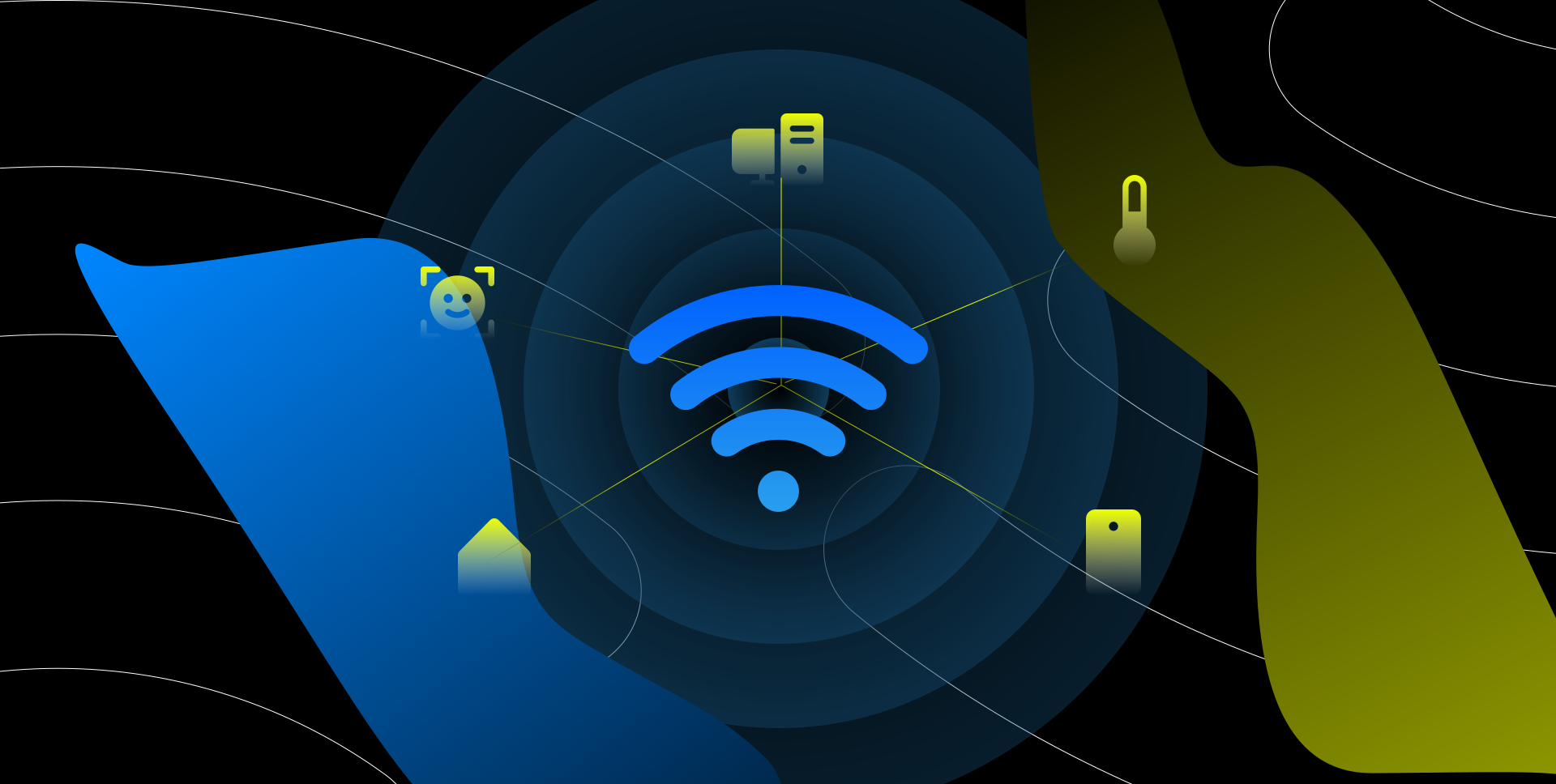
Smart relays automatically cycling non-critical loads during high-tariff grid hours.


Facility operators achieved dramatic reductions in utility bills and established an autonomous safety net for critical building infrastructure.
Automated load shedding and chiller optimization slashed monthly electric utility overhead.
Prevented two major electrical fire hazards through instant temperature threshold alerts.
100% automated telemetry data logging compliant with national green building standards.

Connected IoT hardware and command telemetry bridging commercial vehicle fleets, remote sensors, and logistics hubs into real-time operational transport intelligence.
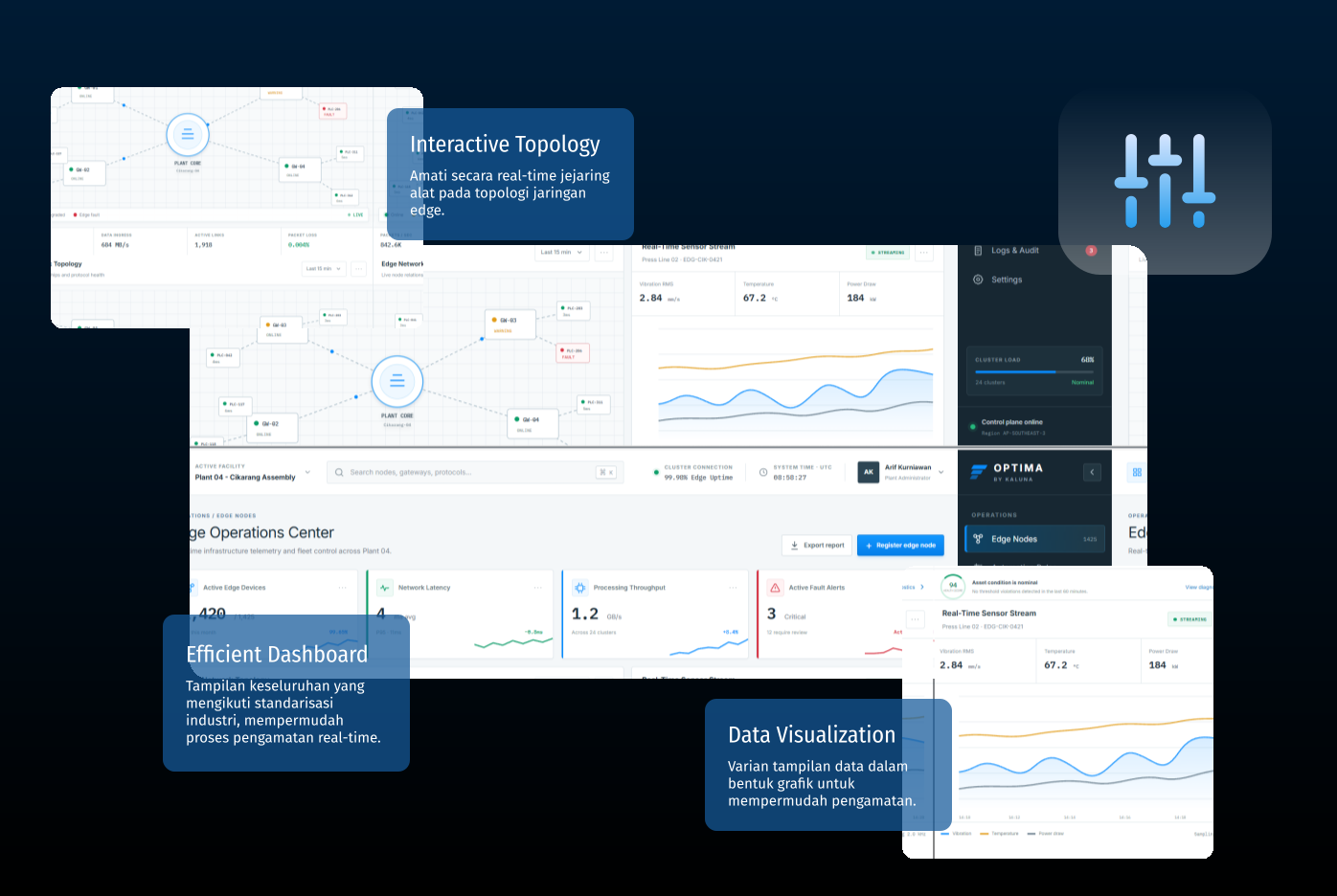
Connecting plant machinery, industrial PLCs, and edge gateways to automate manufacturing workflows, monitor equipment status in real-time, and prevent unplanned downtime.